
Anthropology
Essays and book reviews on what it means to be human—theological, philosophical, and cultural reflection on human nature, identity, and embodiment.
What Does It Mean to Be Human?
Few questions are more contested today, or more consequential, than what it means to be human. This page gathers our essays and book reviews engaging theological and philosophical anthropology—from the doctrine of the image of God to debates over gender, race, virtue, and the nature of the mind. New pieces are added as they're published.
Essays
What makes human intelligence what it is, and why the three classical acts of the mind mean artificial intelligence can only ever mimic, not replicate, authentic thought.
Recovering a biblical and historical category for unbidden inward anguish and temptation—the "passions"—and what it means for pastoral care.
Tracing Moral Sentimentalism from Hume and Mandeville to Jonathan Haidt, and why grounding ethics in evolved sentiment cannot answer the question of what is good.
Can non-Christians act virtuously? Bringing Keller's account of common grace into dialogue with Aquinas's account of postlapsarian human nature.
Book Reviews
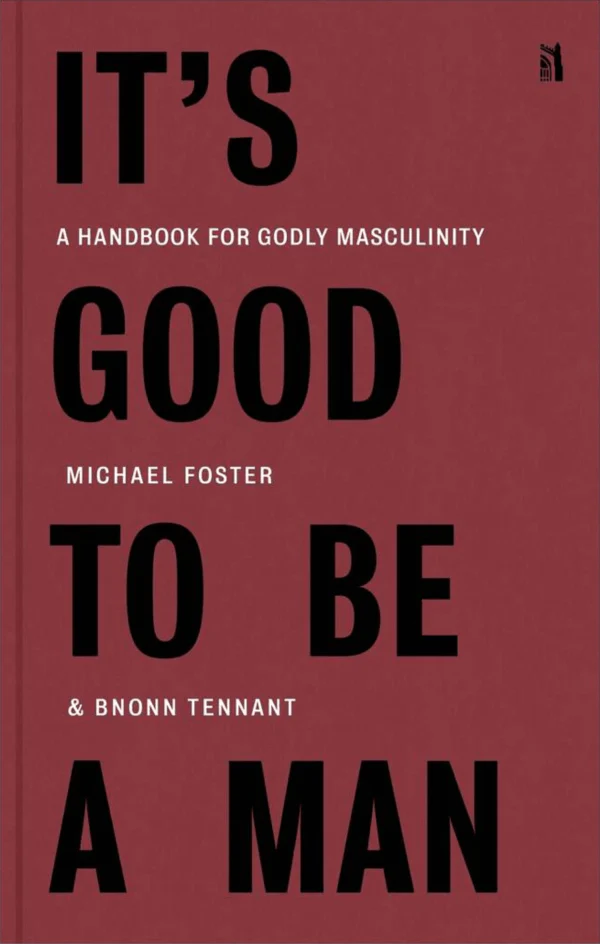
Foster and Tennant's handbook for "godly masculinity," reviewed for its treatment of patriarchy, biblical anthropology, and the meaning of manhood.
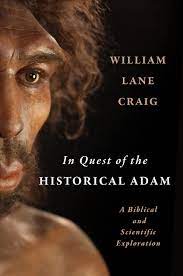
William Lane Craig's case for a historical Adam, and his proposal for reconciling the biblical data with the paleoanthropological evidence.
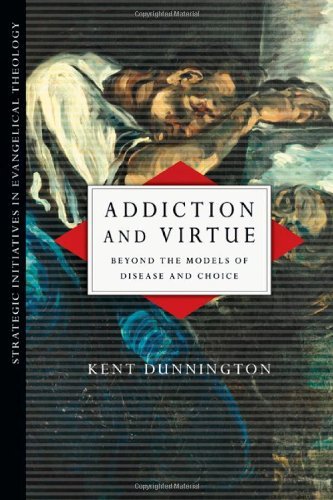
Kent Dunnington's account of addiction as habituated action rather than disease or choice, and what it means for counseling and pastoral care.
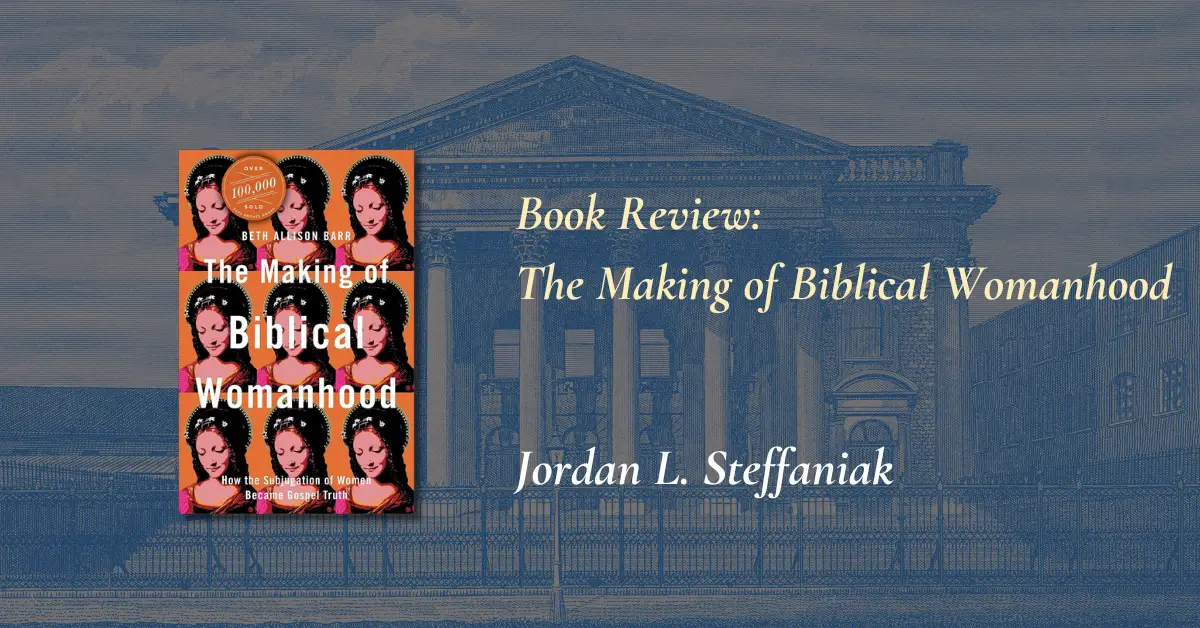
Beth Allison Barr's argument that "biblical womanhood" is a modern construct, assessed for its historical argument and definitional clarity.
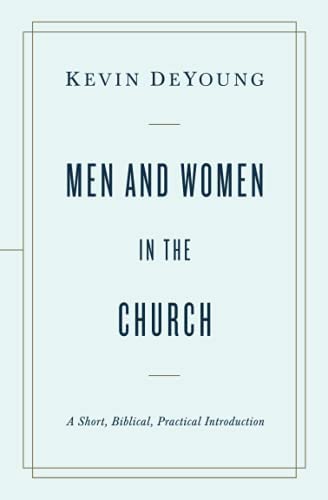
Kevin DeYoung's brief introduction to complementarianism for laypersons, elders, and deacons, evaluated for scope and argumentative rigor.
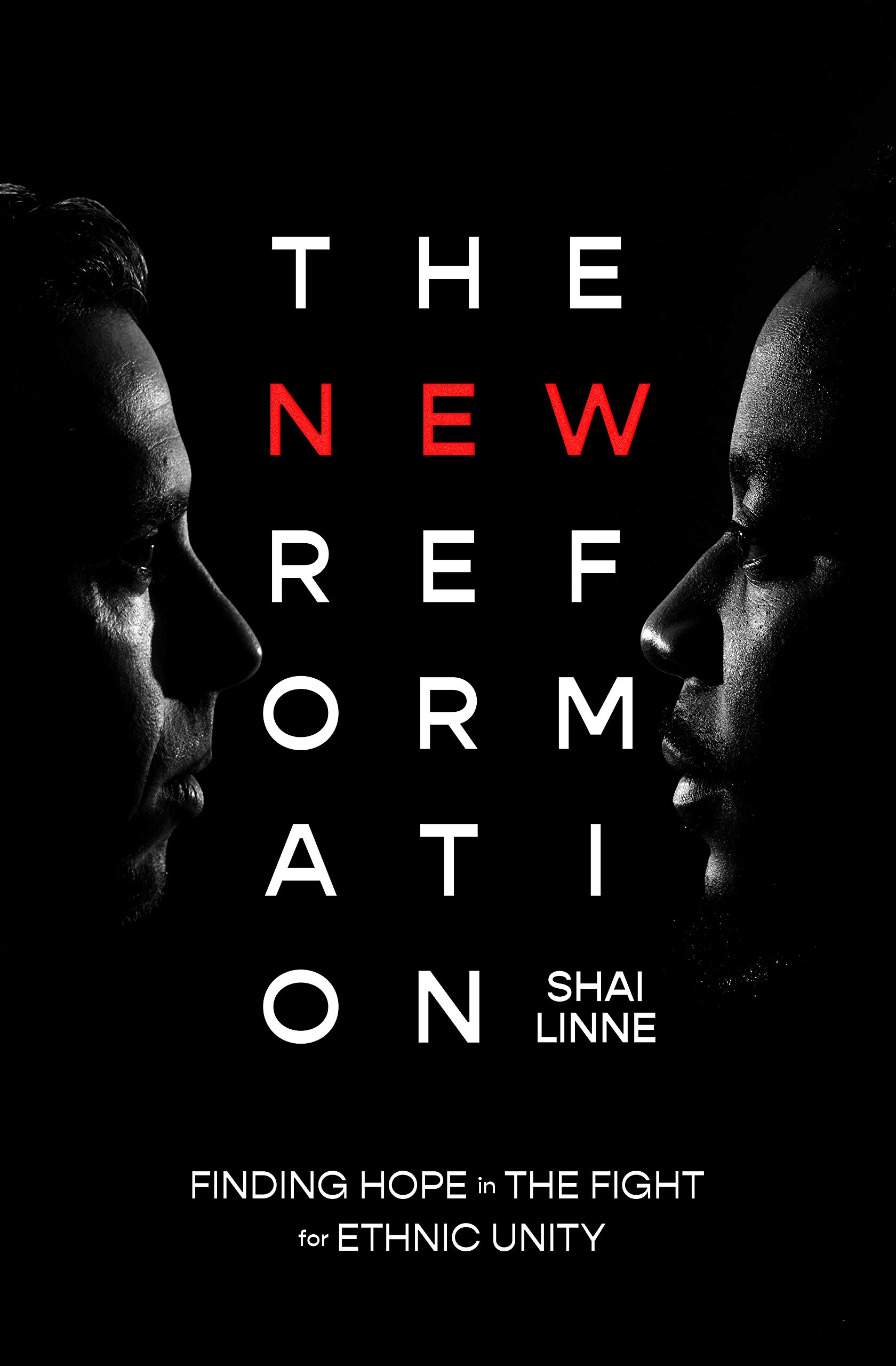
Shai Linne's biblical case for ethnic unity in the local church, and why justification by faith alone is the key to addressing ethnic disunity.
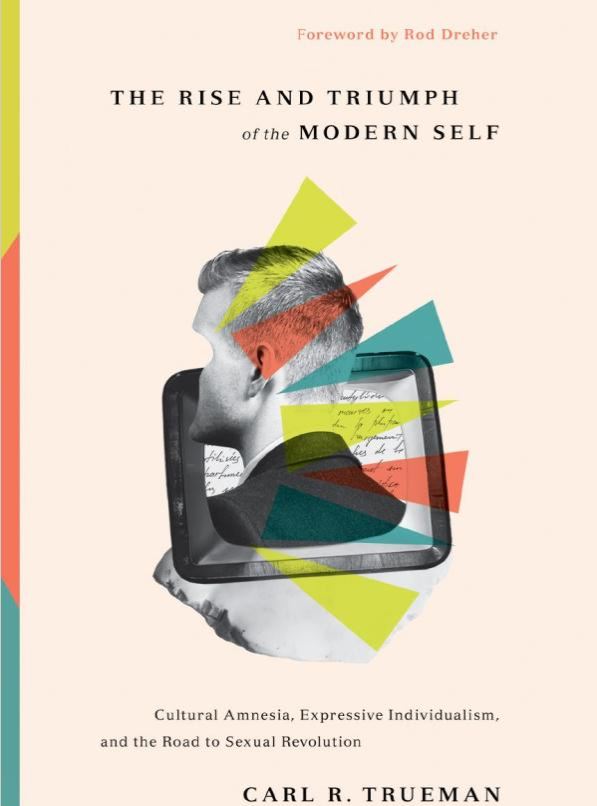
Carl Trueman's genealogy of expressive individualism and the modern self, examined for its historical argument and pastoral implications.
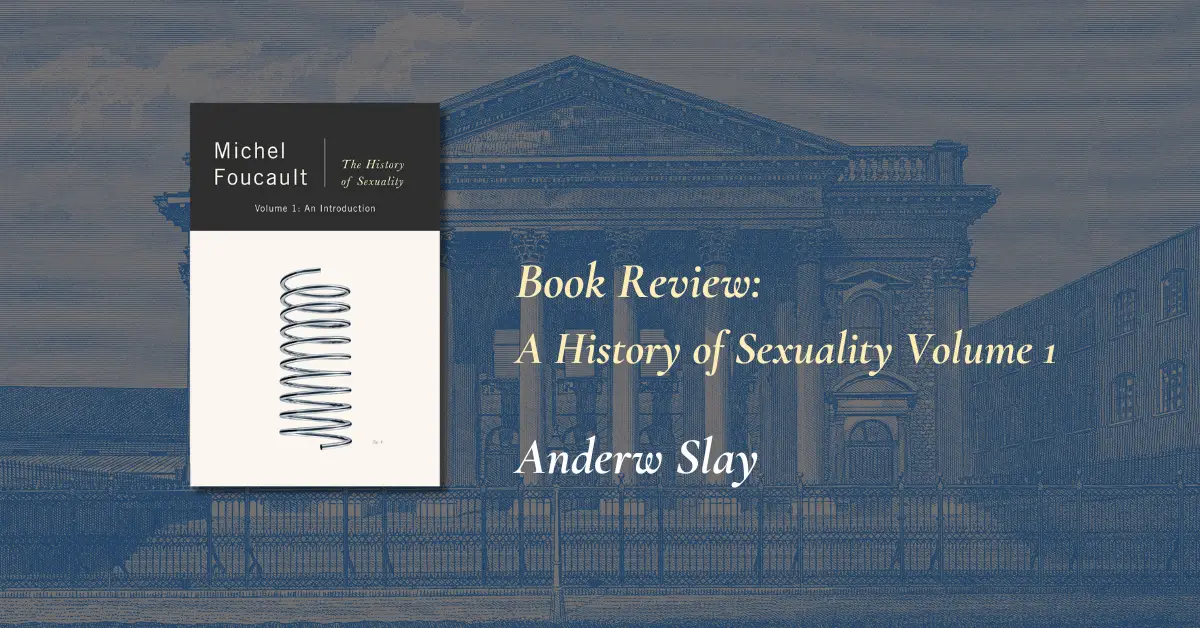
Michel Foucault's genealogy of sexuality as discourse and power, and how the modern self has come to locate identity in sexual desire.
Contribute to the Conversation
Have an essay or book review on theological or philosophical anthropology? We'd love to consider it.